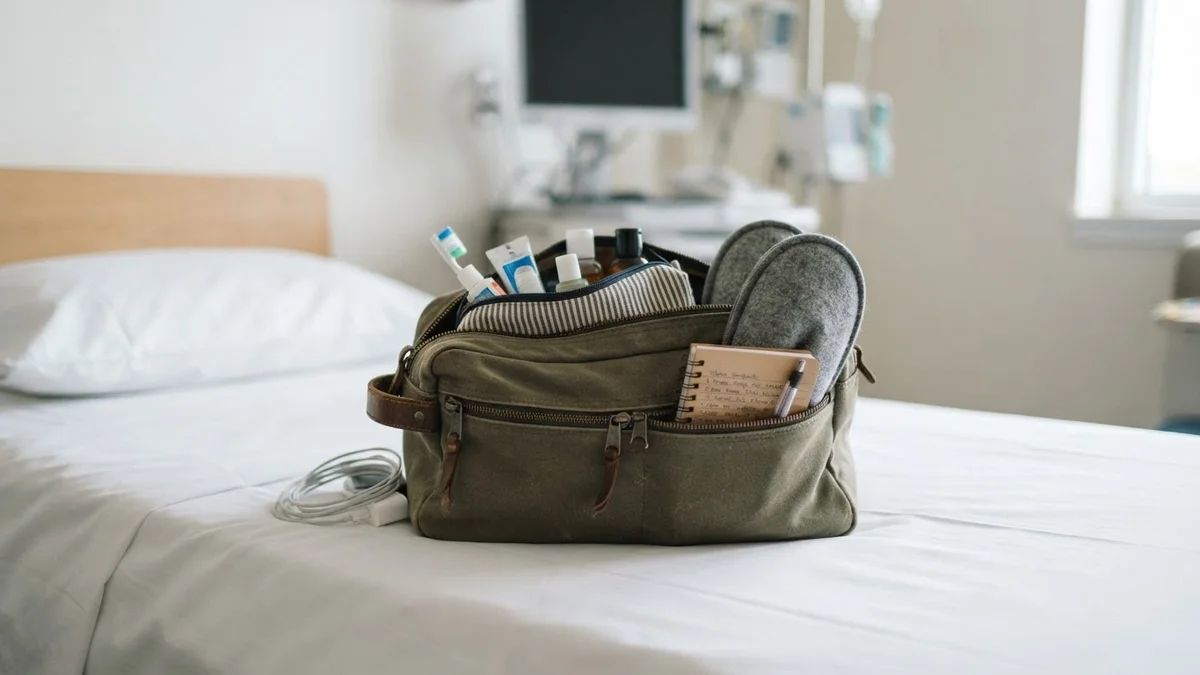
A planned hospital stay, whether for surgery, childbirth or treatment, is easier when you prepare ahead. The right preparation reduces stress, helps the medical team and makes your recovery more comfortable. Here is a practical guide that works for most hospitals around the world.
One to Two Weeks Before
- Confirm details: Admission date, time, department and any pre-admission tests.
- Understand fasting rules: Most surgeries require no food for several hours beforehand. Follow your hospital’s exact instructions.
- Review your medicines: Ask which medicines to stop or continue, especially blood thinners, diabetes medicines and herbal supplements.
- Arrange support: Plan transport home, help with children or pets, and time off work.
- Check insurance approval: Many insurers need pre-authorisation for planned admissions.
Hospital Packing List
Documents
- Photo ID and insurance card
- Admission letter and referral documents
- List of medicines, allergies and medical conditions
- Emergency contact details
Clothing
- Loose, comfortable clothes and sleepwear
- Non-slip slippers or shoes
- Warm socks and a light cardigan
- Comfortable outfit to wear home
Toiletries
- Toothbrush, toothpaste and travel-size wash items
- Lip balm and moisturiser, since hospital air is often dry
- Glasses, contact lens case, hearing aids and spare batteries
Comfort Items
- Phone and a long charging cable
- Earplugs and an eye mask
- A book, tablet or headphones
- Notebook and pen for questions
What to Leave at Home
Leave jewellery, large amounts of cash and valuable items at home. Remove nail polish and make-up before surgery if instructed, as staff may need to monitor your skin and nail colour.
During Your Stay
- Speak up about pain: Good pain control helps recovery.
- Move when allowed: Walking early reduces the risk of blood clots and chest infections.
- Prevent falls: Ask for help before getting up if you feel dizzy.
- Ask questions: Use your notebook to record what doctors say.
- Clean hands: It is fine to ask staff and visitors if they have cleaned their hands.
Before You Go Home
Ask for a discharge summary and make sure you understand your medicines, wound care, warning signs to watch for, activity limits and the date of your follow-up appointment.
Conclusion
A little preparation goes a long way. Pack light but smart, understand your instructions and keep communicating with your care team for a safer and more comfortable stay.
Disclaimer: This article is for general information only and is not a substitute for professional medical advice. Always consult a qualified healthcare provider about your own situation.