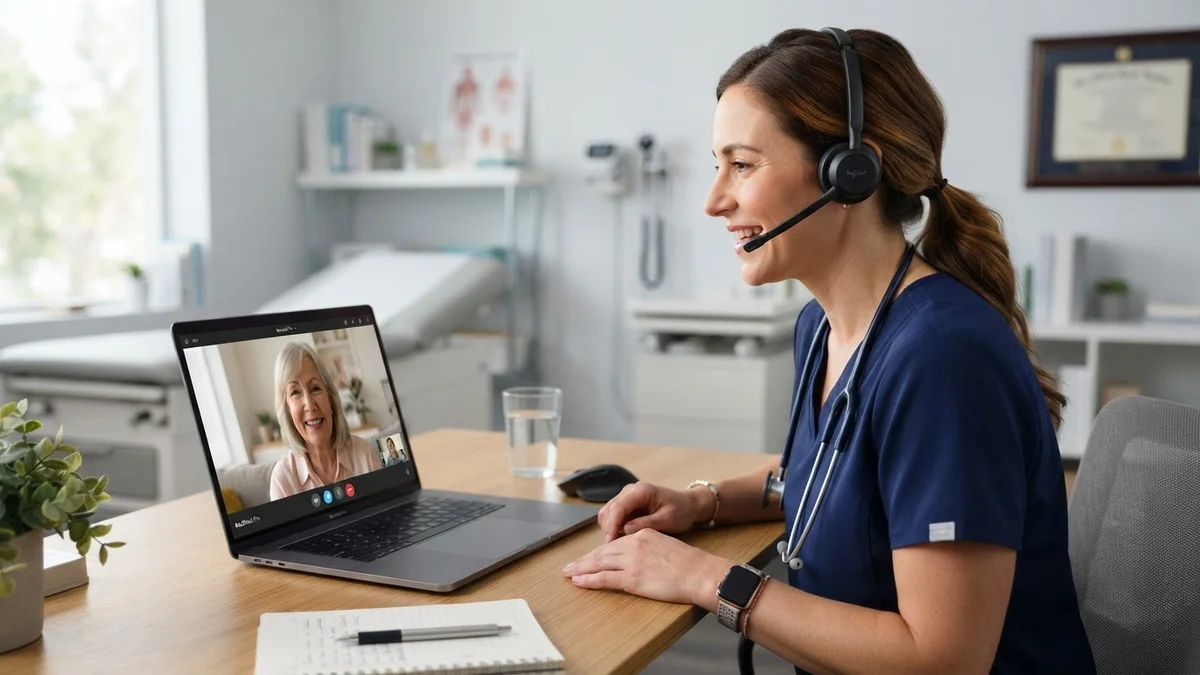
Telemedicine lets you consult a doctor through a video call, phone call or secure messaging instead of visiting a clinic in person. Its use grew rapidly worldwide and it is now a normal part of healthcare in many countries. Here is how it works and when it makes sense.
How a Virtual Visit Works
- Choose a provider: Your own clinic, your insurer’s service or a licensed telehealth platform.
- Book and register: Fill in your details, symptoms and medical history.
- Join the call: Use a phone, tablet or computer with a camera.
- Consultation: The doctor asks questions, may ask you to show the problem on camera and gives advice.
- Next steps: You may receive an electronic prescription, a test request, a sick note or a referral.
What Telemedicine Is Good For
- Colds, flu-like illness and minor infections
- Skin concerns such as rashes and acne
- Follow-up visits and test result discussions
- Managing long-term conditions like diabetes and high blood pressure
- Mental health counselling and therapy
- Prescription renewals for stable conditions
When You Need In-Person Care
Telemedicine is not suitable for emergencies. Call your local emergency number or go to the nearest emergency department for chest pain, trouble breathing, signs of stroke, severe bleeding or serious injury. You also need an in-person visit when a physical examination, procedure or imaging is required.
Benefits of Telemedicine
- No travel or waiting room time
- Easier access for rural areas and people with limited mobility
- Lower risk of catching infections in waiting rooms
- Often available outside normal clinic hours
Limitations to Keep in Mind
- The doctor cannot physically examine you
- Internet problems can interrupt the call
- Prescribing rules for some medicines are stricter online
- Doctors are usually licensed for specific countries or regions
How to Prepare for an Online Consultation
- Find a quiet, private and well-lit place.
- Test your camera, microphone and internet beforehand.
- Have your medicines list and any home readings ready, such as temperature, blood pressure or blood sugar.
- Write down your symptoms and questions.
- Keep your phone nearby in case the video call drops.
Privacy and Safety
Use reputable platforms that protect your data and check that the doctor is properly licensed. Avoid sharing personal health information on public social media or unsecured messaging apps.
Conclusion
Telemedicine is a convenient way to get medical advice for many everyday health issues. Use it wisely, know its limits and do not hesitate to seek in-person care when needed.
Disclaimer: This article is for general information only and is not a substitute for professional medical advice. Always consult a qualified healthcare provider about your own situation.