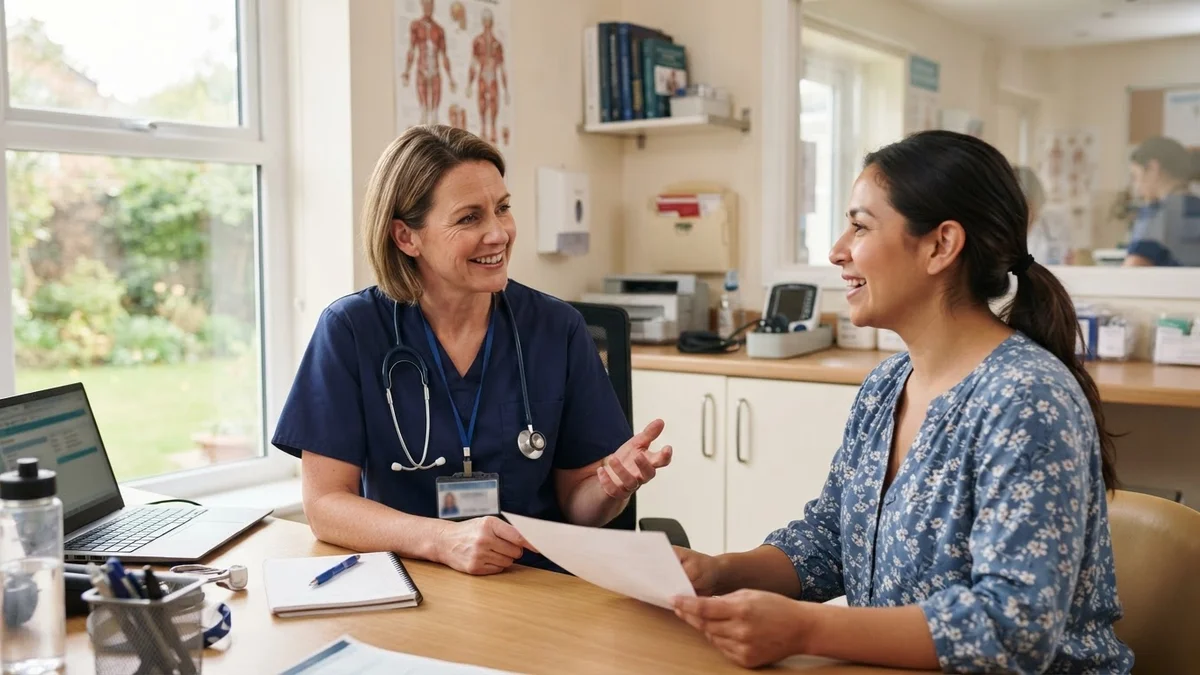
Visiting a new clinic can feel stressful, especially if you have moved to a new city or country. Knowing what will happen and preparing a few things in advance can make your first visit smoother and more useful.
Before the Appointment
Register and Book
Many clinics now let you register and book online. Some will ask you to fill in a health questionnaire before you arrive. Doing this early saves time at the front desk.
What to Bring
- Photo ID and, if required, proof of address
- Insurance card or national health card
- A list of all medicines, vitamins and supplements, with doses
- Previous test results, imaging reports or discharge summaries
- Vaccination records
- A short list of questions or symptoms you want to discuss
At the Clinic
Check-In
Arrive 10 to 15 minutes early. The receptionist will confirm your details, insurance and consent forms. You may be asked to sign privacy and payment policies.
Vital Signs
A nurse or medical assistant usually measures your blood pressure, heart rate, temperature, weight and sometimes height and oxygen level.
Medical History
The doctor will ask about your past illnesses, surgeries, allergies, family history and lifestyle, including smoking, alcohol, diet, exercise and sleep. Be honest. This information is confidential and helps the doctor give safer advice.
Examination
Depending on your reason for visiting, the doctor may do a general or focused physical exam. You can ask for a chaperone during any examination if that makes you more comfortable.
Tests and Next Steps
You may be sent for blood tests, urine tests, an ECG or imaging. Before you leave, make sure you understand:
- What each test is for
- How and when you will get results
- Whether you need a follow-up visit
- Any new medicine: its name, dose and possible side effects
How to Get the Most From Your Visit
- Prioritise: Put your most important concern first. Appointments can be short.
- Be specific: Say when symptoms started, how often they happen and what makes them better or worse.
- Take notes: Or bring a trusted person to help you remember.
- Ask for clarity: It is fine to say, “Can you explain that in simpler words?”
- Use the patient portal: Many clinics share results and messages online.
If You Are New to the Country
Ask whether the clinic offers interpreters or staff who speak your language. Bring translated copies of important medical records if possible, and check how referrals to specialists work in the local system, since rules differ between countries.
Conclusion
A first visit is mostly about building a complete picture of your health. With your records, medicines list and questions ready, you will leave with clearer answers and a good start with your new care team.
Disclaimer: This article is for general information only and is not a substitute for professional medical advice. Always consult a qualified healthcare provider about your own situation.